Buy geologic.eu ?
We are moving the project
geologic.eu .
Are you interested in purchasing the domain
geologic.eu ?
domain@kv-gmbh.de · 0541-91531010
Buy geologic.eu ?
Why can sedimentary rock not be transformed into igneous rock?
Sedimentary rock cannot be transformed into igneous rock because the processes that form sedimentary rock, such as compaction and cementation of sediments, are fundamentally different from the processes that form igneous rock, such as the cooling and solidification of molten magma. Once sedimentary rock has formed, it would need to be completely melted and then cooled to form igneous rock, which is not a common natural process. Additionally, the minerals and textures present in sedimentary rock are not conducive to the formation of igneous rock. Therefore, the transformation of sedimentary rock into igneous rock is highly unlikely under natural conditions. **
What is the difference between abrasion and erosion?
Abrasion is the process of wearing down or rubbing away of a material by friction, typically caused by the movement of one material against another. This can result in the smoothing or polishing of the surface. Erosion, on the other hand, is the process of the gradual wearing away of a material by natural forces such as water, wind, or ice. This can result in the removal and transportation of the material to another location. In summary, abrasion is the physical wearing down of a material by friction, while erosion is the gradual removal and transportation of material by natural forces. **


Similar search terms for Difference
Top-Angebote
Products related to Difference:
-
Axis Spot The Difference Facial Blemish Treatment 15mLA skin-care product for oily or blemish-prone skin. Spot The Difference Blemish Treatment is expertly formulated for acne-prone, oily, and sensitive skin, providing effective relief from breakouts and blemishes. This light gel texture glides onto the skin, delivering hydration while restoring the skin barrier.14,97 £*Shipping: 4,12 £Secure redirect to the provider
-
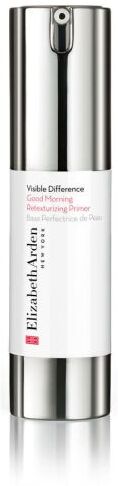
Elisabeth Arden Visible Difference Good Morning Retexturizing PrimerHealth and Beauty Face and Cheeks Elizabeth Arden Visible Difference Good Morning Retexturizing Primer Our retexturizing primer helps you show off your best face with a proven blend of boosting botanicals and vitamin A. Wake up your skin without weighing it down. Skin feels soft, smooth and fresh all day. and you will love the softness and naturalness of your makeup. How to use: Apply to clean face.14,73 £*Shipping: 3,99 £Secure redirect to the provider
-
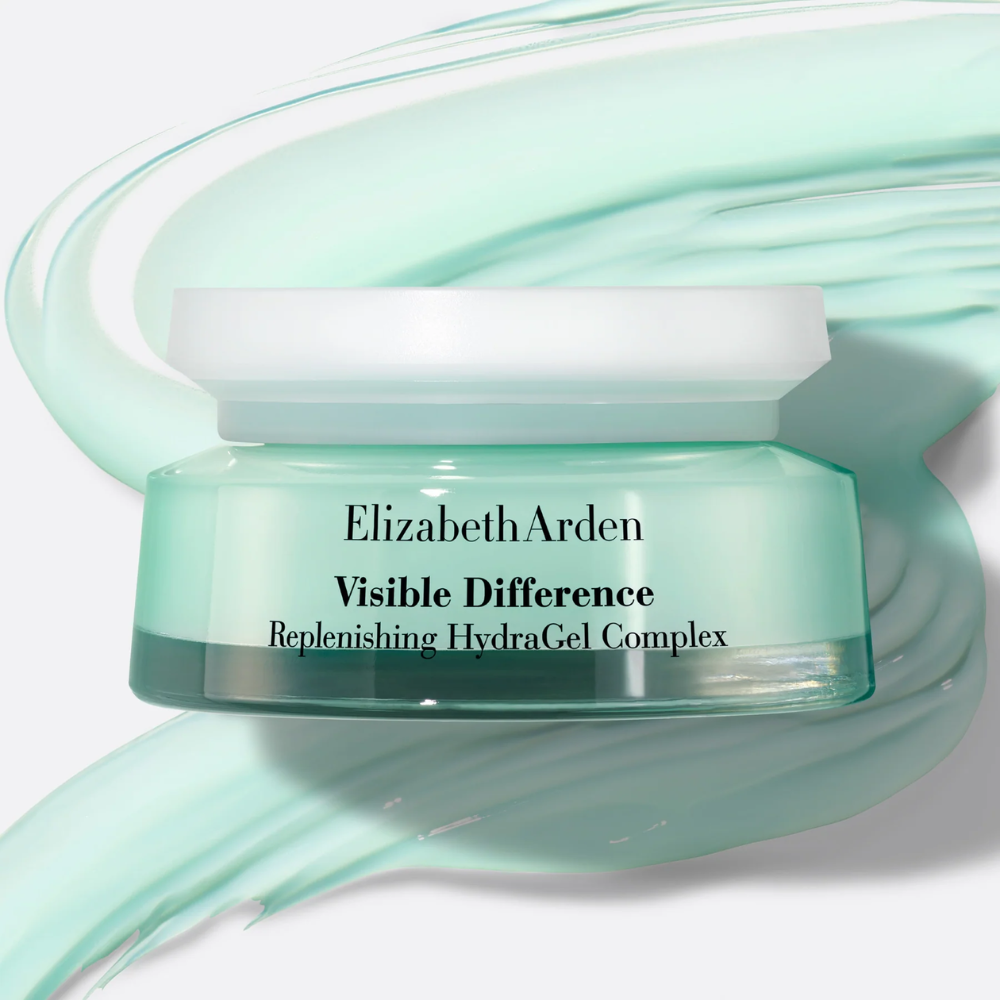
Elisabeth Arden Visible Difference Facial Replenishing Hydragel Complex 75mLA skin-care product. It a refreshing, oil-free water gel that provides 24-hour hydration while minimizing the appearance of pores. 24-hour hydration for all skin types. Minimizes the appearance of pores. Leaves skin feeling smooth and refreshed. Sodium Hyaluronate: Provides intense hydration. Mushroom Extract: Tightens pores and refines skin texture.27,84 £*Shipping: 5,22 £Secure redirect to the provider


-
What is the difference between soil erosion and soil degradation?
Soil erosion refers to the physical removal of topsoil by wind, water, or other natural forces, leading to the loss of fertile soil. On the other hand, soil degradation is a broader term that encompasses various processes that deteriorate the quality of soil, such as chemical contamination, compaction, salinization, and nutrient depletion. While soil erosion is a specific type of soil degradation, soil degradation can occur through other means beyond just erosion. **
-
What is the difference between deflation and erosion in the desert?
Deflation is the process by which wind removes and transports fine particles like sand and dust from the desert surface, leaving behind coarser materials like pebbles and rocks. Erosion, on the other hand, involves the wearing away of the land surface by wind or water, leading to the formation of features like canyons, arches, and mesas. While deflation primarily involves the removal of loose particles, erosion is a broader process that can shape the landscape in various ways. **
-
What is the difference between ground fault, short circuit, and turn-to-turn fault?
Ground fault occurs when a live conductor comes in contact with the ground or a grounded surface, causing current to flow to the ground. Short circuit happens when two live conductors come into direct contact with each other, creating a low-resistance path for current flow. Turn-to-turn fault occurs when there is a fault within the winding of a motor or transformer, causing a short circuit between adjacent turns of the winding. Each type of fault has different causes and effects on the electrical system, requiring specific troubleshooting and maintenance techniques. **
-
What goes into these gaps in metamorphic rock?
The gaps in metamorphic rock can be filled with a variety of materials, including minerals, fluids, and even other rocks. During the process of metamorphism, minerals can recrystallize and fill in the gaps, creating a more solid and compact rock. Additionally, fluids such as water and carbon dioxide can infiltrate the rock and deposit new minerals in the gaps. Sometimes, fragments of other rocks can also be incorporated into the gaps, especially in the case of dynamic metamorphism where rocks are subjected to intense pressure and deformation. **
Do classes and social strata dissolve?
Classes and social strata do not completely dissolve, but they can become less rigid and more fluid over time. Economic, social, and political changes can lead to shifts in the distribution of wealth and power, which can impact the boundaries between different classes and social groups. Additionally, movements for social equality and inclusion can challenge traditional hierarchies and create more opportunities for individuals to move between different social strata. However, despite these changes, class and social strata continue to play a significant role in shaping people's opportunities and experiences in society. **
What is the difference between a ground fault and a protective grounding in physics?
In physics, a ground fault occurs when an unintended electrical connection occurs between a conductor and the ground. This can lead to excess current flowing through the ground instead of the intended path, potentially causing damage or hazards. On the other hand, protective grounding is a deliberate connection of electrical equipment or systems to the ground to prevent electric shock or damage in case of a fault. Protective grounding is a safety measure designed to redirect excess current safely to the ground, while a ground fault is an unintended and potentially dangerous occurrence. **
Top-Angebote
Products related to Difference:
-
Elisabeth Arden Visible Difference Refining Complex MoisturizingHealth and Beauty Creams Elizabeth Arden Visible Difference Refining Complex Moisturizing This classic formula protects skin with moisture and provides an occlusive barrier to prevent moisture loss. Seeing is believing. Testing shows a significant reduction in the appearance of fine lines of dryness and a dramatic improvement in the appearance of the skin. Dermatologist, allergy and clinically tested. How to use: Apply daily to the face and throat, in the morning and/or at night.14,64 £*Shipping: 3,99 £Secure redirect to the provider
-
Axis Spot The Difference Facial Blemish Treatment 15mLA skin-care product for oily or blemish-prone skin. Spot The Difference Blemish Treatment is expertly formulated for acne-prone, oily, and sensitive skin, providing effective relief from breakouts and blemishes. This light gel texture glides onto the skin, delivering hydration while restoring the skin barrier.14,97 £*Shipping: 4,12 £Secure redirect to the provider
-
Elisabeth Arden Visible Difference Good Morning Retexturizing PrimerHealth and Beauty Face and Cheeks Elizabeth Arden Visible Difference Good Morning Retexturizing Primer Our retexturizing primer helps you show off your best face with a proven blend of boosting botanicals and vitamin A. Wake up your skin without weighing it down. Skin feels soft, smooth and fresh all day. and you will love the softness and naturalness of your makeup. How to use: Apply to clean face.14,73 £*Shipping: 3,99 £Secure redirect to the provider
-
Why can sedimentary rock not be transformed into igneous rock?
Sedimentary rock cannot be transformed into igneous rock because the processes that form sedimentary rock, such as compaction and cementation of sediments, are fundamentally different from the processes that form igneous rock, such as the cooling and solidification of molten magma. Once sedimentary rock has formed, it would need to be completely melted and then cooled to form igneous rock, which is not a common natural process. Additionally, the minerals and textures present in sedimentary rock are not conducive to the formation of igneous rock. Therefore, the transformation of sedimentary rock into igneous rock is highly unlikely under natural conditions. **
-
What is the difference between abrasion and erosion?
Abrasion is the process of wearing down or rubbing away of a material by friction, typically caused by the movement of one material against another. This can result in the smoothing or polishing of the surface. Erosion, on the other hand, is the process of the gradual wearing away of a material by natural forces such as water, wind, or ice. This can result in the removal and transportation of the material to another location. In summary, abrasion is the physical wearing down of a material by friction, while erosion is the gradual removal and transportation of material by natural forces. **
-
What is the difference between soil erosion and soil degradation?
Soil erosion refers to the physical removal of topsoil by wind, water, or other natural forces, leading to the loss of fertile soil. On the other hand, soil degradation is a broader term that encompasses various processes that deteriorate the quality of soil, such as chemical contamination, compaction, salinization, and nutrient depletion. While soil erosion is a specific type of soil degradation, soil degradation can occur through other means beyond just erosion. **
-
What is the difference between deflation and erosion in the desert?
Deflation is the process by which wind removes and transports fine particles like sand and dust from the desert surface, leaving behind coarser materials like pebbles and rocks. Erosion, on the other hand, involves the wearing away of the land surface by wind or water, leading to the formation of features like canyons, arches, and mesas. While deflation primarily involves the removal of loose particles, erosion is a broader process that can shape the landscape in various ways. **
Similar search terms for Difference
-
Elisabeth Arden Visible Difference Facial Replenishing Hydragel Complex 75mLA skin-care product. It a refreshing, oil-free water gel that provides 24-hour hydration while minimizing the appearance of pores. 24-hour hydration for all skin types. Minimizes the appearance of pores. Leaves skin feeling smooth and refreshed. Sodium Hyaluronate: Provides intense hydration. Mushroom Extract: Tightens pores and refines skin texture.27,84 £*Shipping: 5,22 £Secure redirect to the provider
-
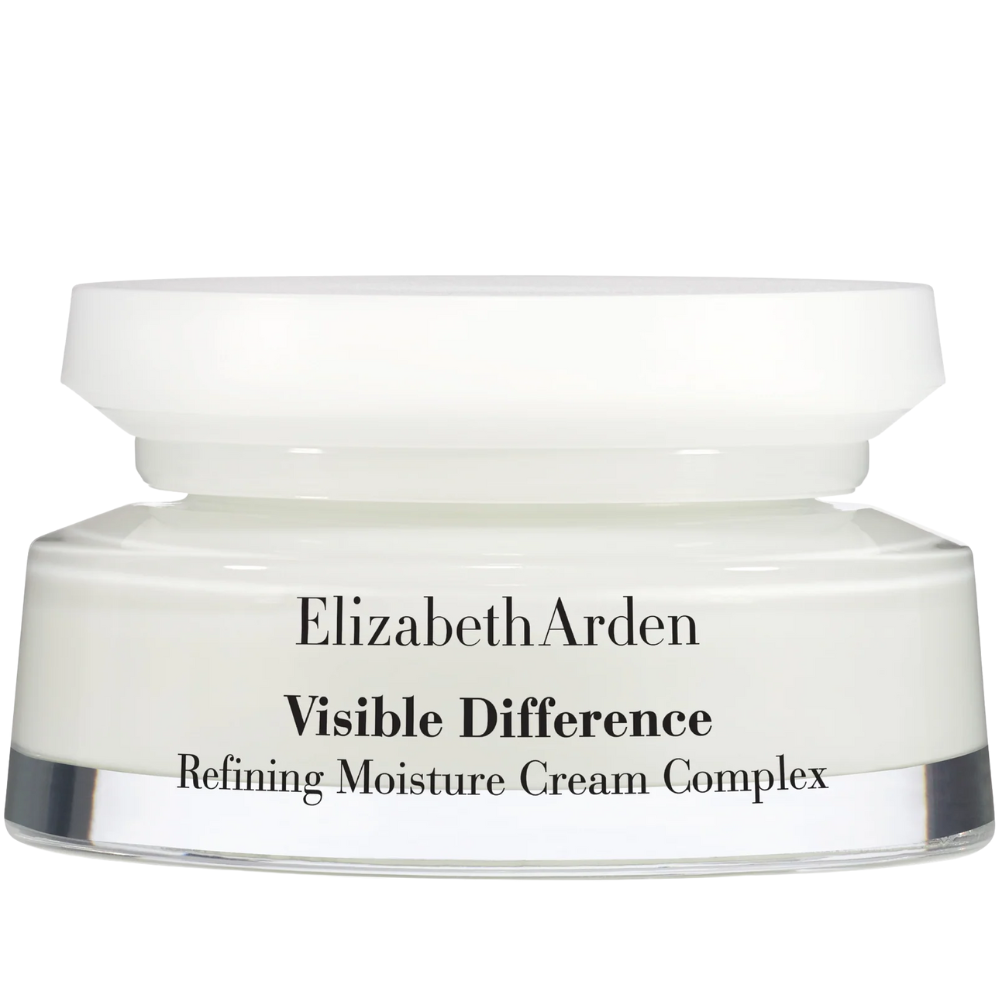
Elisabeth Arden Visible Difference Facial Refining Moisture Cream Complex 75mLA skin-care product. It designed to deeply hydrate the skin while creating an occlusive barrier to prevent moisture loss. Intensely hydrates and nourishes the skin. Reduces the appearance of fine dryness lines. Creates a protective barrier against moisture loss. Suitable for all skin types. Squalane: Moisturizes and softens.37,12 £*Shipping: 5,22 £Secure redirect to the provider
-
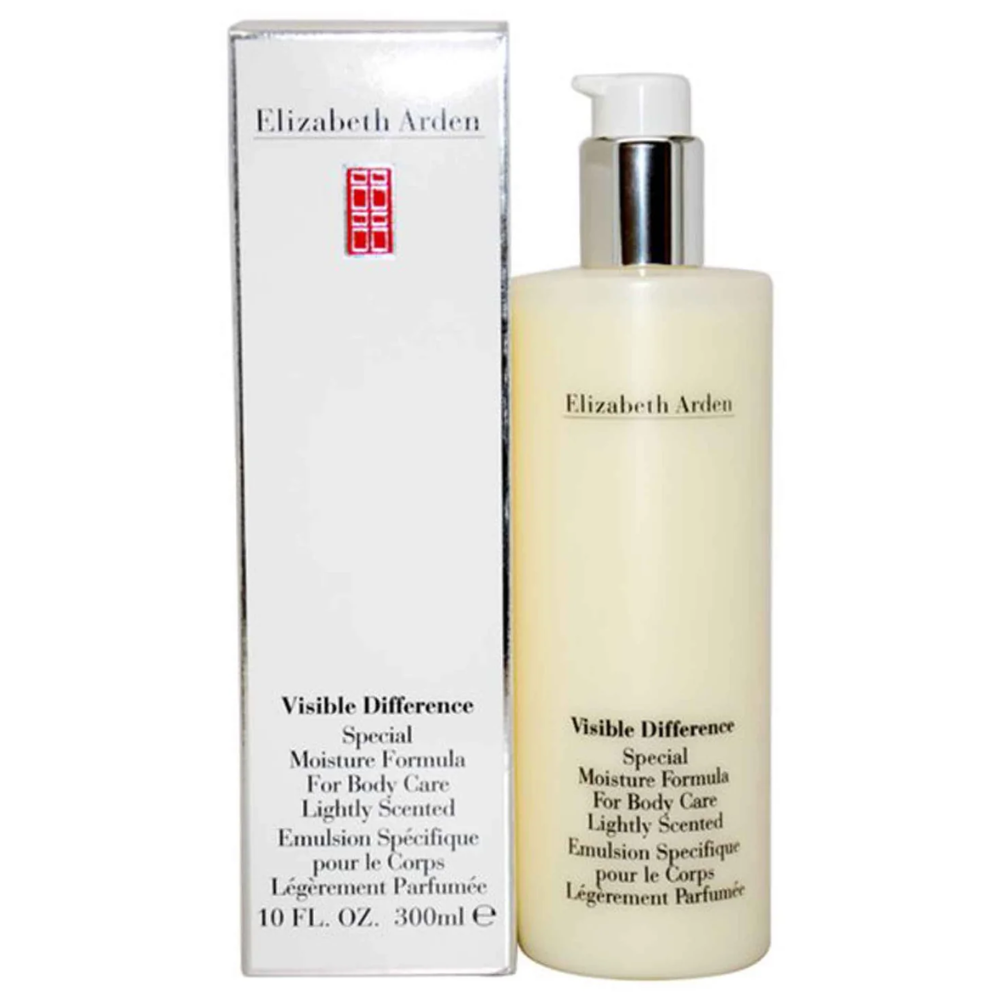
Elisabeth Arden Visible Difference Special Moisture Formula Emulsion for Body Care 300mLA facial cream for dry or dehydrated skin. It a luxurious body moisturizer designed to provide intense hydration and nourishment. Intense hydration for dry skin. Improves skin texture and elasticity. Quick-absorbing, non-greasy formula. Suitable for all skin types. Shea Butter: Deeply moisturizes and nourishes the skin.16,39 £*Shipping: 6,94 £Secure redirect to the provider
-
What is the difference between ground fault, short circuit, and turn-to-turn fault?
Ground fault occurs when a live conductor comes in contact with the ground or a grounded surface, causing current to flow to the ground. Short circuit happens when two live conductors come into direct contact with each other, creating a low-resistance path for current flow. Turn-to-turn fault occurs when there is a fault within the winding of a motor or transformer, causing a short circuit between adjacent turns of the winding. Each type of fault has different causes and effects on the electrical system, requiring specific troubleshooting and maintenance techniques. **
-
What goes into these gaps in metamorphic rock?
The gaps in metamorphic rock can be filled with a variety of materials, including minerals, fluids, and even other rocks. During the process of metamorphism, minerals can recrystallize and fill in the gaps, creating a more solid and compact rock. Additionally, fluids such as water and carbon dioxide can infiltrate the rock and deposit new minerals in the gaps. Sometimes, fragments of other rocks can also be incorporated into the gaps, especially in the case of dynamic metamorphism where rocks are subjected to intense pressure and deformation. **
-
Do classes and social strata dissolve?
Classes and social strata do not completely dissolve, but they can become less rigid and more fluid over time. Economic, social, and political changes can lead to shifts in the distribution of wealth and power, which can impact the boundaries between different classes and social groups. Additionally, movements for social equality and inclusion can challenge traditional hierarchies and create more opportunities for individuals to move between different social strata. However, despite these changes, class and social strata continue to play a significant role in shaping people's opportunities and experiences in society. **
-
What is the difference between a ground fault and a protective grounding in physics?
In physics, a ground fault occurs when an unintended electrical connection occurs between a conductor and the ground. This can lead to excess current flowing through the ground instead of the intended path, potentially causing damage or hazards. On the other hand, protective grounding is a deliberate connection of electrical equipment or systems to the ground to prevent electric shock or damage in case of a fault. Protective grounding is a safety measure designed to redirect excess current safely to the ground, while a ground fault is an unintended and potentially dangerous occurrence. **
* All prices are inclusive of VAT and, if applicable, plus shipping costs. The offer information is based on the details provided by the respective shop and is updated through automated processes. Real-time updates do not occur, so deviations can occur in individual cases. ** Note: Parts of this content were created by AI.