Buy geologic.eu ?
We are moving the project
geologic.eu .
Are you interested in purchasing the domain
geologic.eu ?
domain@kv-gmbh.de · 0541-91531010
Buy geologic.eu ?
Why can sedimentary rock not be transformed into igneous rock?
Sedimentary rock cannot be transformed into igneous rock because the processes that form sedimentary rock, such as compaction and cementation of sediments, are fundamentally different from the processes that form igneous rock, such as the cooling and solidification of molten magma. Once sedimentary rock has formed, it would need to be completely melted and then cooled to form igneous rock, which is not a common natural process. Additionally, the minerals and textures present in sedimentary rock are not conducive to the formation of igneous rock. Therefore, the transformation of sedimentary rock into igneous rock is highly unlikely under natural conditions. **
Are PV module optimizers useful?
Yes, PV module optimizers are useful for improving the performance and efficiency of solar photovoltaic (PV) systems. They can help to mitigate the impact of shading, soiling, and mismatch between modules, which can significantly reduce the overall energy output of the system. By optimizing the power output of each individual module, optimizers can maximize the energy harvest and improve the overall reliability of the system. Additionally, they can provide real-time monitoring and diagnostics, allowing for easier maintenance and troubleshooting. Overall, PV module optimizers can be a valuable addition to a solar PV system, especially in situations where shading or module mismatch is a concern. **


Similar search terms for PV
Top-Angebote
Products related to PV:
-
WALKER 59549H-PV TurbochargerSupplementary Article / Supplementary Info: with gaskets/seals; Manufacturer Restriction: IHI; Weight [kg]: 4,42; Manufacturer: IHI; remanufactured spare part (REMAN): ; Construction Year to: 07/2011; TecDoc Engine Number: 24055, 30760470,99 £*Shipping: 1,99 £Secure redirect to the provider
-
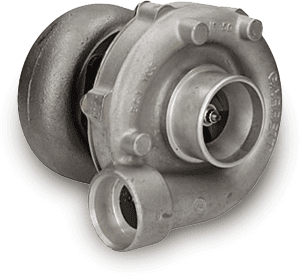
WALKER 59583G-PV TurbochargerSupplementary Article / Supplementary Info: with gaskets/seals; Manufacturer Restriction: Garrett/Honeywell; Weight [kg]: 8,24; Manufacturer: Garret; remanufactured spare part (REMAN): ; Construction Year to: 05/2001; Vehicle Identification Number (VIN) to: 1M-2B007499, 1M-2R008376, 1M-2B007 499, 1M-2R008 376427,99 £*Shipping: 1,99 £Secure redirect to the provider


-
What is a PV inverter?
A PV inverter, also known as a solar inverter, is a device that converts the direct current (DC) electricity generated by solar panels into alternating current (AC) electricity that can be used to power homes and businesses. It is an essential component of a solar power system, as it ensures that the electricity produced by the solar panels is compatible with the electrical grid and can be used to power appliances and devices. PV inverters also typically include monitoring and control functions to optimize the performance of the solar power system. **
-
What is a PV diagram?
A PV diagram, also known as a pressure-volume diagram, is a graph that shows the relationship between the pressure and volume of a system. It is commonly used in thermodynamics to visualize the changes in pressure and volume during a thermodynamic process. The area under the curve on a PV diagram represents the work done by the system. PV diagrams are essential tools for analyzing and understanding the behavior of gases and other systems in various thermodynamic processes. **
-
How do I proceed correctly to find the isolation fault in my PV system?
To find the isolation fault in your PV system, you should start by conducting a visual inspection of the system to look for any obvious signs of damage or wear. Next, use a multimeter to measure the resistance between the PV system's DC conductors and ground to check for any abnormal readings. If the resistance is too low, it could indicate a fault in the isolation. Additionally, you can perform an insulation resistance test to further assess the condition of the system's isolation. If these initial steps do not identify the fault, it may be necessary to consult with a professional electrician or PV system technician for further troubleshooting and testing. **
-
How is a PV system secured?
A PV system is secured through a combination of physical and electronic measures. Physical security measures include locking panels and inverters in place, installing security cameras, and using fencing or barriers to prevent unauthorized access. Electronic security measures include using password-protected monitoring systems and alarms to detect any tampering or unauthorized access. Additionally, some PV systems may also be connected to a central monitoring station for added security. **


What is a PV-P diagram?
A PV-P diagram, also known as a pressure-volume diagram, is a graphical representation of the relationship between the pressure and volume of a system. It is commonly used in thermodynamics to analyze the work done by a system, particularly in processes such as compression, expansion, and heat transfer. The diagram typically shows the pressure on the y-axis and the volume on the x-axis, with the process path represented by a curve or series of lines. PV-P diagrams are valuable tools for understanding the behavior of gases and other thermodynamic systems. **
How much PV do I need?
The amount of PV (photovoltaic) panels you need depends on several factors such as your energy consumption, location, roof size, and orientation. To determine how much PV you need, you should first calculate your average daily energy usage in kilowatt-hours (kWh). Then, consider the efficiency of the PV panels and the amount of sunlight your location receives to estimate how many panels you will need to generate that amount of energy. It is recommended to consult with a solar energy professional to accurately determine the right amount of PV panels for your specific needs. **
Top-Angebote
Products related to PV:
-
WALKER 59494G-PV TurbochargerSupplementary Article / Supplementary Info: with gaskets/seals; Manufacturer Restriction: Garrett/Honeywell; Weight [kg]: 9,55; Manufacturer: Garret; remanufactured spare part (REMAN): ; Construction Year to: 06/2001, 05/2001447,99 £*Shipping: 1,99 £Secure redirect to the provider
-
WALKER 59503H-PV TurbochargerSupplementary Article / Supplementary Info: with gaskets/seals; Manufacturer Restriction: IHI; Weight [kg]: 6,87; Manufacturer: IHI; remanufactured spare part (REMAN): ; Construction Year from: 03/2005; Construction Year to: 11/2005; TecDoc Engine Number: 18458, 18204, 39560480,99 £*Shipping: 1,99 £Secure redirect to the provider
-
WALKER 59549H-PV TurbochargerSupplementary Article / Supplementary Info: with gaskets/seals; Manufacturer Restriction: IHI; Weight [kg]: 4,42; Manufacturer: IHI; remanufactured spare part (REMAN): ; Construction Year to: 07/2011; TecDoc Engine Number: 24055, 30760470,99 £*Shipping: 1,99 £Secure redirect to the provider
-
Why can sedimentary rock not be transformed into igneous rock?
Sedimentary rock cannot be transformed into igneous rock because the processes that form sedimentary rock, such as compaction and cementation of sediments, are fundamentally different from the processes that form igneous rock, such as the cooling and solidification of molten magma. Once sedimentary rock has formed, it would need to be completely melted and then cooled to form igneous rock, which is not a common natural process. Additionally, the minerals and textures present in sedimentary rock are not conducive to the formation of igneous rock. Therefore, the transformation of sedimentary rock into igneous rock is highly unlikely under natural conditions. **
-
Are PV module optimizers useful?
Yes, PV module optimizers are useful for improving the performance and efficiency of solar photovoltaic (PV) systems. They can help to mitigate the impact of shading, soiling, and mismatch between modules, which can significantly reduce the overall energy output of the system. By optimizing the power output of each individual module, optimizers can maximize the energy harvest and improve the overall reliability of the system. Additionally, they can provide real-time monitoring and diagnostics, allowing for easier maintenance and troubleshooting. Overall, PV module optimizers can be a valuable addition to a solar PV system, especially in situations where shading or module mismatch is a concern. **
-
What is a PV inverter?
A PV inverter, also known as a solar inverter, is a device that converts the direct current (DC) electricity generated by solar panels into alternating current (AC) electricity that can be used to power homes and businesses. It is an essential component of a solar power system, as it ensures that the electricity produced by the solar panels is compatible with the electrical grid and can be used to power appliances and devices. PV inverters also typically include monitoring and control functions to optimize the performance of the solar power system. **
-
What is a PV diagram?
A PV diagram, also known as a pressure-volume diagram, is a graph that shows the relationship between the pressure and volume of a system. It is commonly used in thermodynamics to visualize the changes in pressure and volume during a thermodynamic process. The area under the curve on a PV diagram represents the work done by the system. PV diagrams are essential tools for analyzing and understanding the behavior of gases and other systems in various thermodynamic processes. **
Similar search terms for PV
-
WALKER 59583G-PV TurbochargerSupplementary Article / Supplementary Info: with gaskets/seals; Manufacturer Restriction: Garrett/Honeywell; Weight [kg]: 8,24; Manufacturer: Garret; remanufactured spare part (REMAN): ; Construction Year to: 05/2001; Vehicle Identification Number (VIN) to: 1M-2B007499, 1M-2R008376, 1M-2B007 499, 1M-2R008 376427,99 £*Shipping: 1,99 £Secure redirect to the provider
-
WALKER 59684G-PV TurbochargerSupplementary Article / Supplementary Info: with gaskets/seals; Manufacturer Restriction: Garrett/Honeywell; Weight [kg]: 6,15; Manufacturer: Garret; remanufactured spare part (REMAN): ; TecDoc Engine Number: 17659, 19371; Construction Year to: 12/2006478,99 £*Shipping: 1,99 £Secure redirect to the provider
-
How do I proceed correctly to find the isolation fault in my PV system?
To find the isolation fault in your PV system, you should start by conducting a visual inspection of the system to look for any obvious signs of damage or wear. Next, use a multimeter to measure the resistance between the PV system's DC conductors and ground to check for any abnormal readings. If the resistance is too low, it could indicate a fault in the isolation. Additionally, you can perform an insulation resistance test to further assess the condition of the system's isolation. If these initial steps do not identify the fault, it may be necessary to consult with a professional electrician or PV system technician for further troubleshooting and testing. **
-
How is a PV system secured?
A PV system is secured through a combination of physical and electronic measures. Physical security measures include locking panels and inverters in place, installing security cameras, and using fencing or barriers to prevent unauthorized access. Electronic security measures include using password-protected monitoring systems and alarms to detect any tampering or unauthorized access. Additionally, some PV systems may also be connected to a central monitoring station for added security. **
-
What is a PV-P diagram?
A PV-P diagram, also known as a pressure-volume diagram, is a graphical representation of the relationship between the pressure and volume of a system. It is commonly used in thermodynamics to analyze the work done by a system, particularly in processes such as compression, expansion, and heat transfer. The diagram typically shows the pressure on the y-axis and the volume on the x-axis, with the process path represented by a curve or series of lines. PV-P diagrams are valuable tools for understanding the behavior of gases and other thermodynamic systems. **
-
How much PV do I need?
The amount of PV (photovoltaic) panels you need depends on several factors such as your energy consumption, location, roof size, and orientation. To determine how much PV you need, you should first calculate your average daily energy usage in kilowatt-hours (kWh). Then, consider the efficiency of the PV panels and the amount of sunlight your location receives to estimate how many panels you will need to generate that amount of energy. It is recommended to consult with a solar energy professional to accurately determine the right amount of PV panels for your specific needs. **
* All prices are inclusive of VAT and, if applicable, plus shipping costs. The offer information is based on the details provided by the respective shop and is updated through automated processes. Real-time updates do not occur, so deviations can occur in individual cases. ** Note: Parts of this content were created by AI.